Depot systems
Connect vehicles, records and the next departure
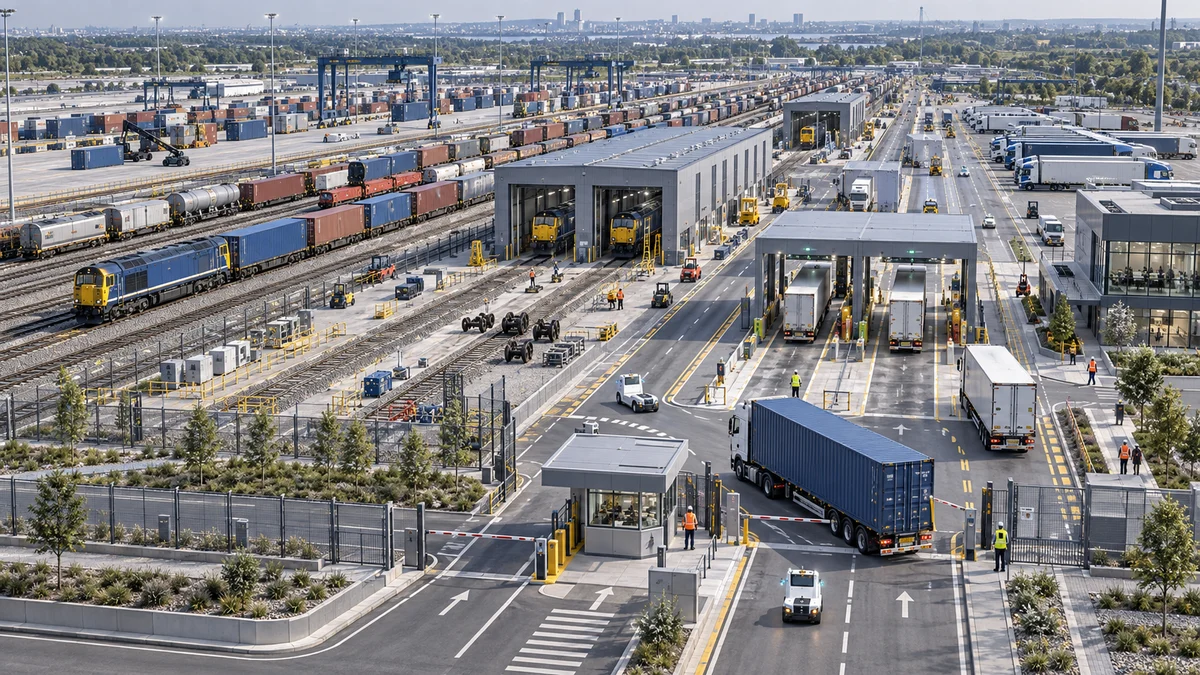
A managed private network carries operational tracking and depot application traffic, keeping working devices connected as vehicles move around the site.

Home / Private 5G / Transport & Depots
Private networks / Transport & Depots
Connect the inspection lane, maintenance shed and dispatch desk. Private 5G brings mobile equipment and depot applications into one working flow, from arrival to the next departure.
Get a vehicle’s condition in front of the engineer, its readiness in front of dispatch and the next task into the hands of the right team.
Private 5G in practice
Depot systems
A managed private network carries operational tracking and depot application traffic, keeping working devices connected as vehicles move around the site.
Inspection
Connected robots and drones send inspection observations from transport infrastructure, giving engineers information to review before planning the next intervention.
Mobile teams
Private networks support compatible push-to-talk handsets, body-worn video and mobile support tools, keeping teams connected away from the office.
The operational connection
A depot handles vehicles at different stages of readiness. One is waiting for a part, another is being cleaned and a third is ready to leave. When updates sit on separate screens or arrive by radio, dispatch spends time reconstructing the actual position.
Private 5G connects mobile teams, inspection equipment and operational applications across the yard. Local edge AI can review selected vehicle images and highlight changes, allowing the engineer to focus on the observation rather than searching through an entire recording.
Practical transport & depots use cases
A depot inspection robot captures images along a parked vehicle or approved inspection lane. Private 5G sends the data to a local edge AI application that highlights changes for the engineer to review. Each finding is associated with the vehicle identity, inspection time and view that produced it.
The engineer checks the flagged image, records the outcome and raises a maintenance task where needed. Dispatch sees the resulting readiness status in its normal application. The robot gathers a consistent set of observations, while the engineering team decides whether the vehicle requires further work.
A shunter receives the next move on a vehicle terminal and confirms collection at the allocated bay. Private 5G carries the task through the yard to the depot application. The controller can follow completed moves and identify jobs waiting for attention without repeatedly calling each vehicle.
If a maintenance slot changes, the dispatcher updates the destination in the task system. The next crew receives the current instruction rather than an earlier printed plan. Gate and bay events from compatible systems add context, so the vehicle’s progress remains connected to its next departure.
A camera overlooking a depot service lane feeds a local edge AI application configured to flag a stopped vehicle or obstruction in a marked area. The private network carries the alert and a short clip to the supervisor, who reviews what has happened and contacts the responsible team.
The supervisor records the action and confirms when the route is available again. Repeated events help the operations team identify a loading habit or parking arrangement that needs changing. The workflow supports site management with reviewed observations rather than leaving staff to discover each obstruction during a round.
Robotics and edge AI
Turn a vehicle inspection into a work order. The robot gathers observations or completes its assigned movement; the private network carries the agreed data. Edge AI means processing selected images or sensor readings on local computing infrastructure.
Choose what the application should identify and who receives the result. A reviewed finding can become a work order, a confirmed handover or a record for the next shift, with the supporting evidence kept alongside it.
Explore private AI → Private compute → Managed open-source applications →
Built around the operation
Map vehicle routes, inspection lanes and maintenance sheds as one operation. Radio design accounts for parked fleets, large metal vehicles and the transition between indoor and outdoor working areas.
Integrate with the fleet and maintenance applications already used by staff. Keep depot operations distinct from passenger connectivity and vehicle systems outside the agreed project scope.
Planning & costs
We assess your estate, devices and applications, then design connectivity around the work you want to improve. We help build a business case around the opportunity, deployment costs and ongoing support.
We handle the technical assessment and help connect the investment to useful results. The first conversation starts with what you want to achieve.
Start with a focused deployment and expand, or move ahead with a full programme. We shape delivery around your priorities and readiness, and coordinate installation with your operation.
Talk to our teamPlanning questions
The private network covers its designed site area. Public-network connectivity and any transition between networks require a separate device and service design.
Compatible cellular devices connect directly; suitable gateways can link other equipment. We check the exact device models, interfaces and application requirements before choosing the design.
Selected analytics can run on local servers, with access and storage designed around the workflow. The application identifies agreed events; staff review the result and retain responsibility for the operational response.
A site plan, the chosen task, device details and the applications involved provide a useful start. We then assess coverage, integration, installation and ongoing support for a defined proposal.
Read the private 5G cost guide →Your operation, connected
Show us the working area, the equipment and the point where information stops flowing. We’ll help turn it into a practical first project.
Coverage and performance are designed around your site, devices and applications. We set out the agreed service and delivery scope in your proposal.
Use cases illustrate how the service can support an operation. Project specifications and commercial terms are confirmed in the agreed proposal and contract.