Passenger service
Bring reception into the lounge
Marine repeaters bring an available shore-side mobile signal into passenger spaces, connecting calls and mobile data inside the vessel.

Home / Mobile coverage / Ships & ferries
DAS & cellular repeating / Ships & ferries
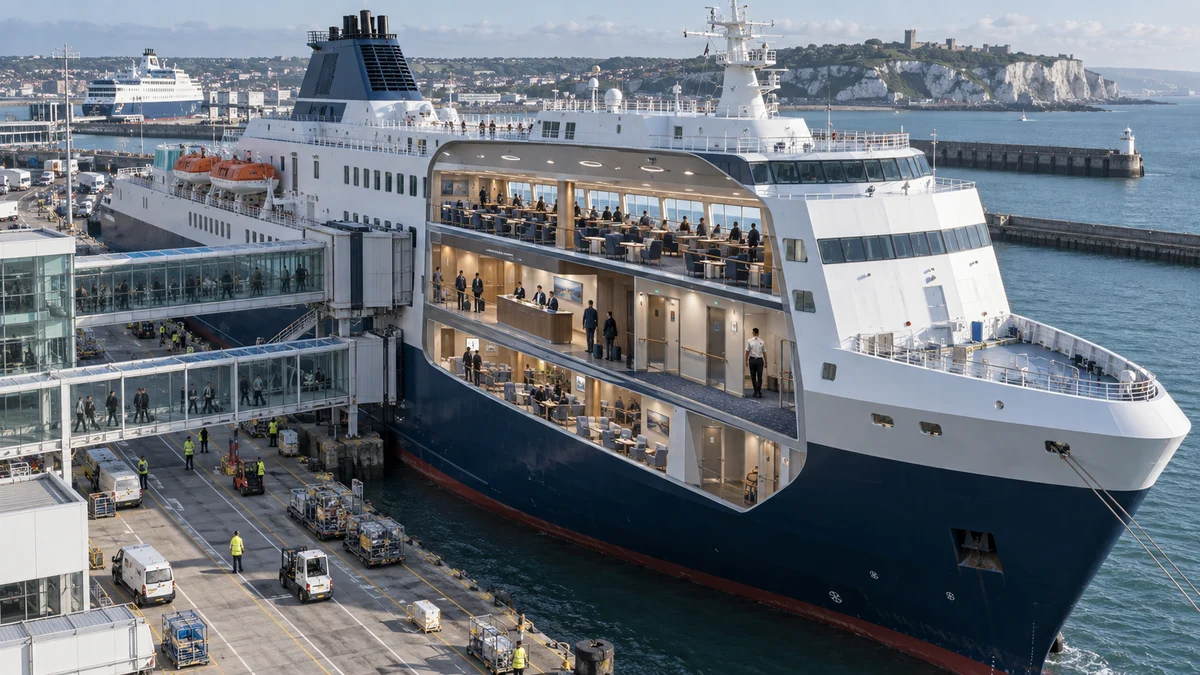
Help passengers stay in touch and crews complete port-side work from inside the vessel. Distribute available cellular service through the spaces steel decks and bulkheads can shield.
Seneca designs cellular coverage around your people, premises and working devices, from suitable repeaters to distributed antenna systems (DAS).
Why better coverage matters
Passenger service
Marine repeaters bring an available shore-side mobile signal into passenger spaces, connecting calls and mobile data inside the vessel.
Crew time
Onboard antennas extend supported mobile service into working areas so crew and contractors can stay in touch while shore coverage is available.
Remote support
Remote equipment monitoring helps support teams check system status and investigate faults, making onboard maintenance visits better informed.
Around your operation
A phone may connect on an open deck and lose reception inside a lounge, crew area or service corridor. That gap interrupts ordinary communication during embarkation, maintenance and time alongside, when passengers and contractors still need to use their usual phones.
Start with the vessel’s operating area, supported networks and the service available at the donor antenna. The onboard distribution design follows deck layouts, installation routes and marine requirements, with permission arrangements checked for the places the vessel operates.
The proposal identifies the networks, services and areas included, with a practical acceptance check built around the devices your people actually use.
In everyday use
A ferry is alongside and passengers in an internal lounge contact the person collecting them at the destination. An onboard cellular distribution system brings the available shore service to the agreed lounge area. Passengers can use supported networks on their own devices while preparing their onward journey and receiving ordinary travel messages.
The operator plans the onboard offer around where the vessel works and which services are available there. Crew can explain the supported areas clearly, while passenger Wi-Fi remains a separate part of the connectivity offer. The result is a more useful connection during time in port or within the designed coastal coverage area, without requiring passengers to stand on an exposed deck.
The opportunity: easier onward-travel coordination and fewer reception enquiries at the service desk.
A contractor completes a planned repair while the vessel is alongside. From an agreed internal service area, they send photographs and a completion record through an approved mobile application. The vessel’s engineering team reviews the information and resolves an outstanding question while the contractor and the equipment are still in the same place.
The office receives a clearer record for purchasing and follow-up, and the next shift can see what changed. Marine cellular repeating supports the available mobile service in the defined work areas; access to vessel systems follows the operator’s own controls. This keeps ordinary maintenance paperwork closer to the task and reduces the need to reconstruct details after people have left the ship.
The opportunity: more complete service handovers and fewer follow-up calls after a port visit.
A crew member finishes a shift while the vessel is in port and calls home from an internal crew lounge. The onboard distribution system carries the available shore-based mobile service into the agreed space, allowing the person to use a supported subscription without going onto an open deck to find reception. They can receive messages and coordinate personal arrangements during their break.
The operator defines the areas and networks served and explains when the connection is available as part of the onboard information. That gives crew a clearer expectation of where ordinary calls and data will work during port visits. The service supports a more comfortable break and fewer enquiries about reception, while offshore access remains part of the vessel’s separate connectivity arrangements.
The opportunity: easier crew contact with home and more useful rest time during port calls.
The right design for the job
A cellular repeater receives an available mobile service and retransmits it into an agreed area. A DAS distributes a suitable cellular source through antennas placed around a larger estate. These approaches can work together; the source and operator arrangements determine the available services and capacity.
Start with the vessel’s operating area, supported networks and the service available at the donor antenna. The onboard distribution design follows deck layouts, installation routes and marine requirements, with permission arrangements checked for the places the vessel operates.
Marine repeating needs a usable external cellular signal and the relevant operator, national and maritime permissions. UK indoor repeater exemptions are not blanket authorisation for ships. Offshore connectivity requires a separate backhaul design; onboard distribution does not create a shore signal. Navigation and distress communications remain separate.
Planning & costs
We assess reception, the people using the service and the areas where calls or mobile tasks break down. We recommend the signal source and distribution system and explain the installation and ongoing support costs.
We handle the technical assessment and help connect the investment to useful results. The first conversation starts with what you want to achieve.
Start with a focused deployment and expand, or move ahead with a full programme. We shape delivery around your priorities and readiness, and coordinate installation with your operation.
Talk to our teamStraight answers
The aim is to support existing subscriptions and compatible devices on the networks included in the design. We confirm operator support, frequency bands and the actual equipment before choosing the system.
Yes, suitable designs support several operators. The signal sources, equipment and authorisation arrangements determine which networks are included. The proposal lists these explicitly.
These services do different jobs. Public mobile coverage connects supported cellular devices to their operators. Wi-Fi and private networks serve their own local devices and applications. The coverage design identifies which connection each service uses.
Start with the vessel, operating waters and internal spaces to be served. Tell us where reception is getting in the way. We assess the estate and help build the business case, then manage the installation and support around your operation.
We match coverage to the building, the mobile operators your people use and the available signal and capacity. Survey percentages describe the problem people experience; they are not installation improvement figures.
Help passengers stay in touch and crews complete port-side work from inside the vessel. Distribute available cellular service through the spaces steel decks and bulkheads can shield.